In the past week it feels like there has been a welter of news connected to pilgrimage. And it’s been news from near and far, and across an extensive period of time.
Firstly, the excavations to build the HS2 railway in Warwickshire have unearthed a Medieval pilgrim badge. With a design of three lions this would have been a common sight in the 14th and 15th centuries. Tokens of making a journey to a site of special religious significance. Then there is the continuing media interest in pilgrimages, with a current BBC series presented by Simon Reeves.
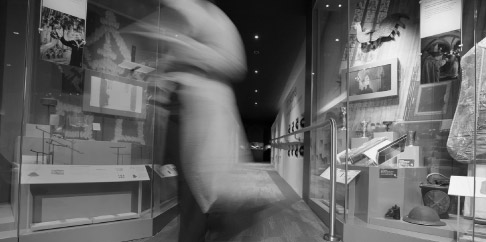
Finally, and much closer to home, this weekend we are celebrating the exhibition here in the Minster of part of the shrine of St William. An important focus for pilgrimage here in the north of England, this is the first time in 500 years that these important artefacts connected with William have been brought together. But they are more than artefacts.
Pilgrimage is centred on a special person or place, usually associated with someone who has made God known in a particular way. The journey to get there, possibly with hazards and considerable effort, is part of the experience of connection we feel when we arrive. Since William was made a saint 800 years ago, people have travelled to York to find a physical link with someone who lived and died being faithful to Christ.
The Feast of the Presentation, also called Candlemas, recalls a journey which the family of Jesus made to the central structure of the Jewish faith – the Temple in Jerusalem. It would not have been an easy journey. Across 80 miles the family travelled with others for both company and safety. It is estimated that it would have taken 4 days. It was a purposeful journey, at the end of which Mary was purified and Jesus was presented.
Every Evensong, as we have this afternoon, includes one or more psalms. Today it was Psalm 122. The 15 psalms 120 to 134 are often called the Pilgrim Psalms. Psalm 120 says something like: ‘I have to get out of here’. Psalm 121 then describes the departure, and Psalm 122 leads to thoughts about the journey’s goal: Jerusalem. As one writer has put it, even as the pilgrimage begins, “Jerusalem’s silhouette” is captured in the beauty of verse:
‘Jerusalem, built up again as a city, firmly put together, a unity’
For any Israelite this was a thrilling vision. After the pain of Exile and poverty, the vision that the city can be built up again. As the same writer goes on to say: ‘it is like a promise that the work of people in community can change this world’s architecture towards peace’. Given the world of that time, and the world of today, it is a testimony to human faith in God that we can still image a place of peace. Having looked towards the wonderful vision of this city, the author of the Psalm turns towards the people with an invitation to pray for the peace of Jerusalem.
But here something else happens in the Psalm. The speaker recognises that they themselves must also turn towards peace, not simply tell others to do so: ‘For the sake of my siblings, for love of my companions on the way, I will after all speak for peace in you’.
And who is the author of this Psalm, and all the fifteen Pilgrim Psalms? Surprisingly, they are the most troubled people in society. In these psalms we find the voices of slaves; people in poverty working too many hours; farmers who weep because the grain they take to sow diminishes the family’s stock of food. As has been said about these psalms, the people who raise their voices here are ‘Exiles in their own land’. These are not naïve pilgrims.
The arc of the 15 psalms demonstrates a realism about the conflicts and cost of seeking peace. Jerusalem is a potent vision of God’s dwelling, a holy place of celebration and love and yet, as we know from the Gospels, a place which falls far short of what God desires for the people. In the second reading this afternoon Jesus points to the ultimate futility of a physical place, placing himself – the Son of God – as the enduring fulfilment of our hopes for peace and unity.
I long for the peace of Jerusalem, and for peace everywhere. Our true pilgrimage, the journey that can give us this peace, is the life we lead from day-to-day. As we seek to draw nearer to God let’s hear the voices of our companion pilgrims, especially those whose hearts and hopes for peace are born out of pain and suffering. Together – and only together – can we arrive with gladness at the heavenly Jerusalem: the living temple where God’s peace is within us.
Amen.
Quotes from: A Transforming Path – The Pilgrims’ Songs
Klara Butting
Stay up to date with York Minster
- Event alerts
- Seasonal services
- Behind the scenes features
- Latest Minster-inspired gifts