


We hear a lot in the Church of England about discipleship. The idea of being a disciple, following Christ today, is seen as the key to transforming the church. We are told that it will energise mission and halt the decline seen in so many congregations. As the Archbishop of York wrote in 2020:
“God calls every one of us to be a missionary disciple”.
So, it makes sense for us to learn from Scripture what mattered about discipleship in the days when Jesus called the first disciples.
The former Archbishop of Canterbury, Rowan Williams, has spent a lot of time thinking about those first disciples. As he has said, it’s a very different concept from our understanding of learning today.
Being a disciple wasn’t about turning up now and then to hear a teacher or attend a class. As Williams goes on to say:
“in the ancient world… To be the student of a teacher was to commit yourself to living in the same atmosphere and breathing the same air; there was nothing intermittent about it”.
Discipleship in that sense is a state of being in which you’re looking and listening without interruption. This kind of discipleship still happens in some religions today. In Islam, for example, the seniority of a scholar can depend on who they spent time accompanying. This is especially the case in the Sufi tradition. More than going to classes or hearing a sermon, becoming a disciple involves time spent with the teacher.
I imagine that for any teacher here this afternoon, that might sound a horrifying thought! Apart from the safeguarding concerns, which of us would like a student to be with us 24/7, observing all our failings and frustrations? The times when we relax and the times when don’t live up to being our best selves. I can imagine that the teaching unions would have something to say about it as well.
But for Jesus, and figures such as John the Baptist, having disciples was the way to imprint teaching into the character of the follower.
It was important to see Jesus when he was angry; when he wept; and when he was exhausted. The Gospels aren’t a transcript of someone’s class; they are the eye-witness testimonies of people who were there all the time. Through thick and thin, all the way to the cross – and beyond.
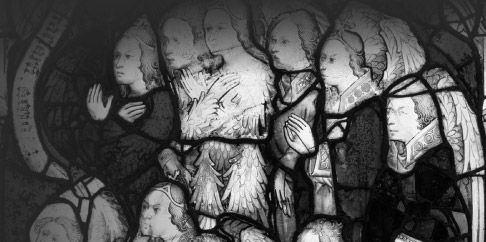
When we think about a disciple, like Bartholomew, we are contemplating this kind of learning and transformation. Not a toe-in-the-water, but three years spent breathing the same air as Jesus. It must have been an intense and roller-coaster kind of experience. From being the valued gatekeepers who controlled access to Jesus, to sitting by a courtyard fire and denying having ever known him. This isn’t about sitting at the back of the class hoping no one will notice.
It isn’t asking AI to tell us what to think. This is visiting the body of your beloved and executed teacher and discovering something utterly beyond your imagination. It’s also promising never to desert the Son of Man and finding out that you’ve made a promise you can’t keep.
It’s humanity and divinity; amazing joy and profound despair.
And within all of this, what we might call companionship-learning, there are dazzling moments when we know that the full lesson has been learned:
When beyond anyone’s expectation someone suddenly sees what it’s all about. It’s Mary of Bethany, the sister of Lazarus, declaring: ‘Yes, Lord… I believe that you are the Messiah, the Son of God’. And this is what we’re called to do – and to be.
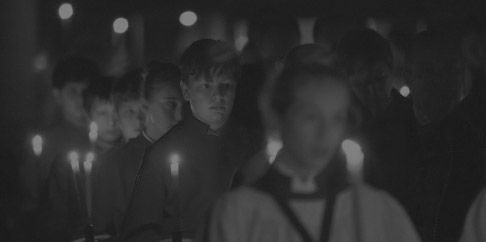
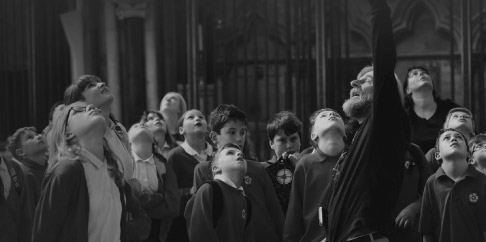
Today Christians do this in prayer, in worship and by being alert to God in daily life. Like Bartholomew and the other eleven disciples, we’re called to spend time with Jesus. To watch; to listen; to be alert for when God’s presence breaks into our lives.
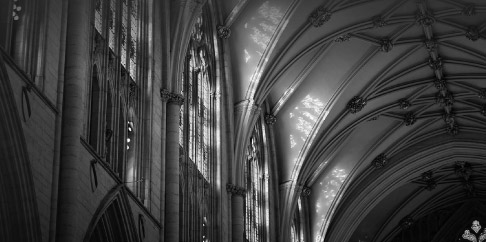
Before I came to York Minster in 2019 some research had been done about people’s experiences when they visited this amazing building.
Over 80% said that they had experienced something spiritual while being in this space. And churches are places that can offer the atmosphere of being with Jesus. The thin places where space and artistry, music and light draw us into the company of Christ.
Being a disciple of Jesus isn’t cosy. It’s not a warm bath of affirmation and joy. It’s tough. But it’s also life-changing; transformative; and fulfilling. It led to disciples travelling all over the world to share the Good News, and to create more disciples in their wake.
In the Gospels we are invited to share in the intimacy of their time with Jesus and, through their words, to know the character and spirit of Jesus present with us. It is in this discipleship that we are changed – and it is within this discipleship that we are called to change the world in which we live.
Amen.
Stay up to date with York Minster
- Event alerts
- Seasonal services
- Behind the scenes features
- Latest Minster-inspired gifts