
In this section
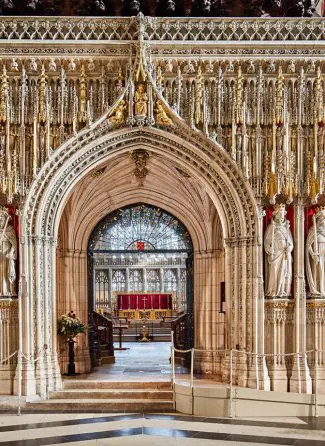
The legacy of St William of York can be felt all around York Minster.
On the 800th anniversary of his canonisation discover a life of devotion, miracles and mystery.
Did you know that York has its own saint?
You’re not alone if you’ve never heard of Saint William of York. His story, though filled with controversy and intrigue, has largely faded from memory.
Yet, still to this day, York bears the imprint of St William, whose sainthood helped define both the Minster and the city’s character.
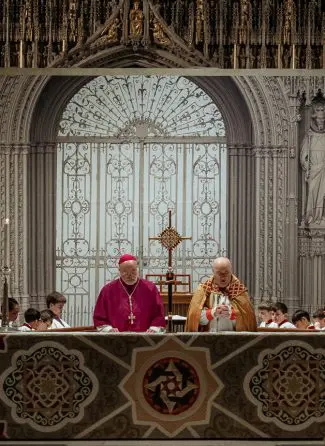
800 years later, we celebrate St William of York’s enduring impact on the Minster, and the centuries of art and devotion he has inspired. Join us throughout 2026 at York Minster as we celebrate and share the story of York’s forgotten saint with a brand-new exhibition, a state of the art cinematic experience, poignant acts of worship and new sightseeing experiences.


1141
A Turbulent Start
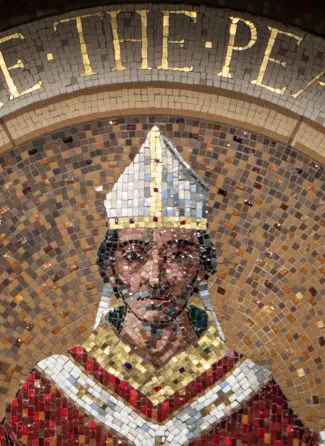
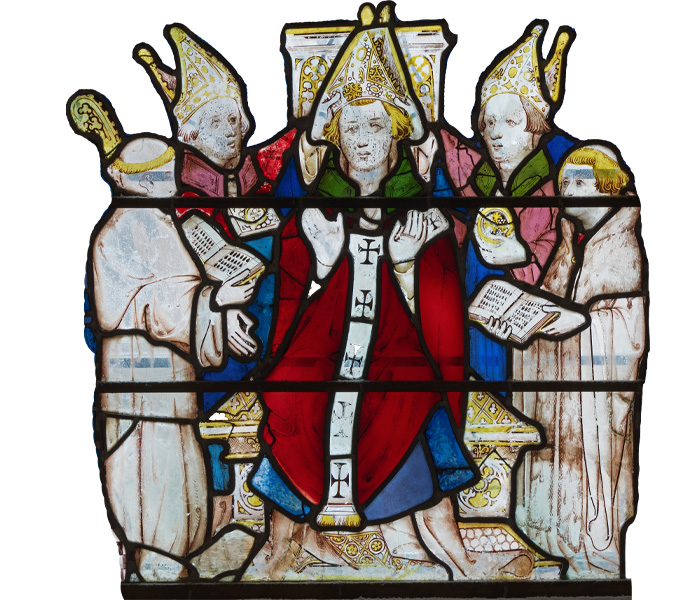
After decades of service as Treasurer of York Minster, William fitzHerbert, cousin of King Stephen, was made Archbishop of York in 1141 (for the first time…).
Though loved by the people of York, William’s appointment was riddled with political and religious disputes. The Cistercian monks who were trying to reform the Church at this time thought he was unsuitable as Archbishop. This challenge from powerful figures, led to William’s deposition and departure from York.
William's Life and Legacy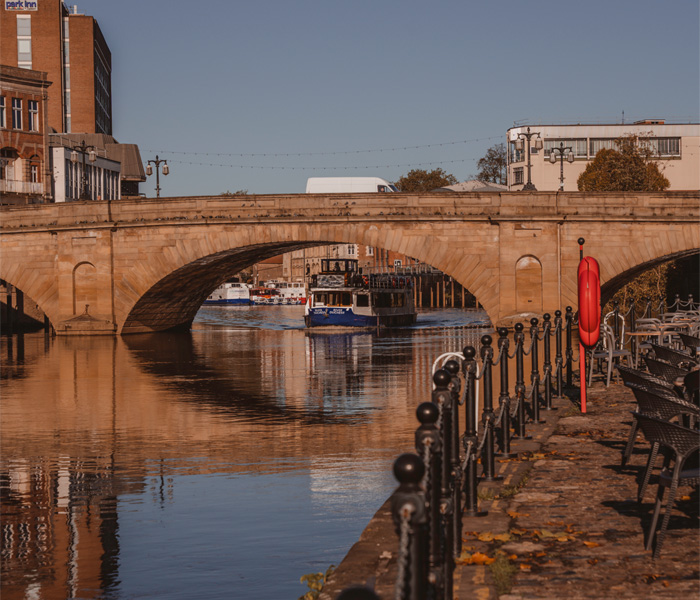
1153
A Triumphant Return
In 1153, following the deaths of his most formidable enemies, William journeyed to Rome to appeal to the Pope for his reinstatement as Archbishop of York. He was successful and William returned to York on 9 May 1154 as Archbishop once again.
As he made his triumphant return into the city, the weight of the jubilant crowds who had come out to greet him caused Ouse Bridge to collapse. The timbers of the bridge gave way, throwing people into the river putting many in danger of drowning. William called on God to save the people of York and as he made the sign of the cross his prayers were answered and no lives were lost.
This was to be his first miracle.
William's Miracles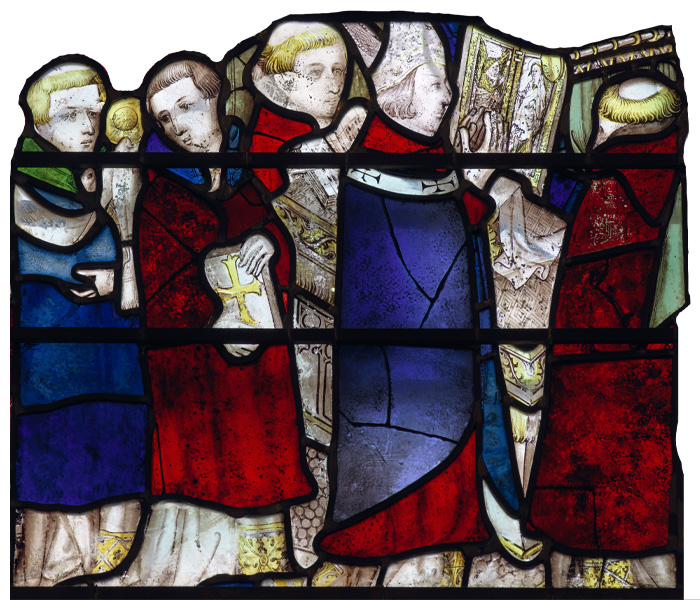
1154
An Unsolved Mystery
William’s triumph was short-lived. Just three weeks later, William became violently ill while celebrating Mass before a feast given for his friends and supporters in the Archbishop’s palace. Too ill to join the feast, William returned to his chamber where he prophesied his approaching death. Nine days later, on 8 June 1154, William died.
Rumours quickly spread that William had been murdered. Old enemies such as Osbert of Bayeux, the Archdeacon of York, were accused of poisoning his communion chalice. No concrete proof of foul play has ever been discovered and the true circumstances surrounding William’s untimely death remain an unsolved mystery…
William's Poisoned Chalice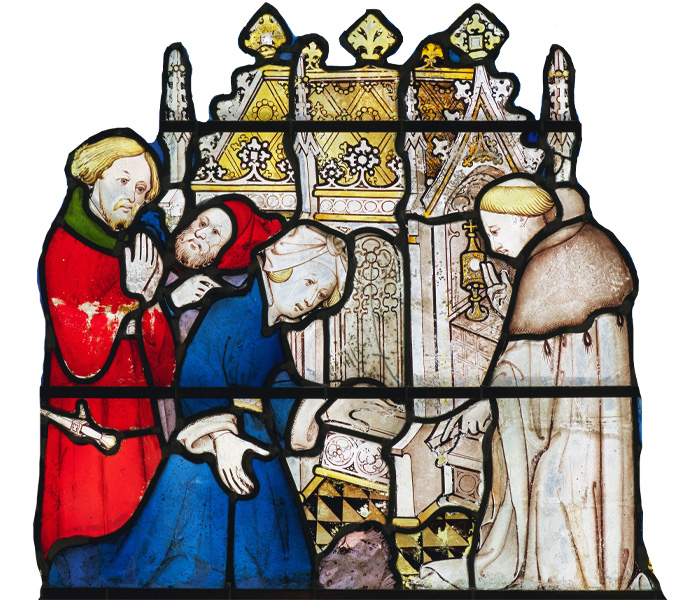
1226
Medieval Miracles
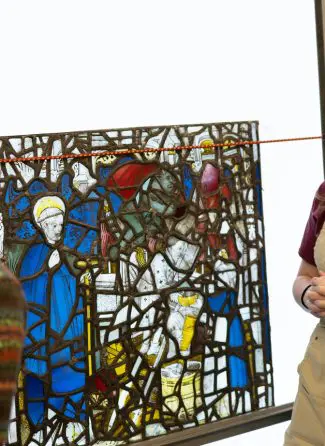
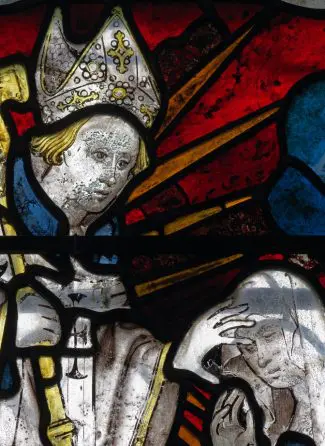
William was buried in the cathedral to which he had devoted many years of his life. Over the decades, miracles were attributed to William’s influence and intervention. From saving a woman who inadvertently swallowed a frog and protecting a reigning king from a perilous fall from a mountain, to appearing in a vision to sailors fearing shipwreck and saving a sleeping congregant from death after a stone column fell on his head.
Rich and poor, old and young, people travelled from across the country seeking help, healing and hope from the tomb of William. In 1226, in recognition of these miracles and this devotion, Pope Honorius III proclaimed William the Patron Saint of York.
Miracles in Stained Glass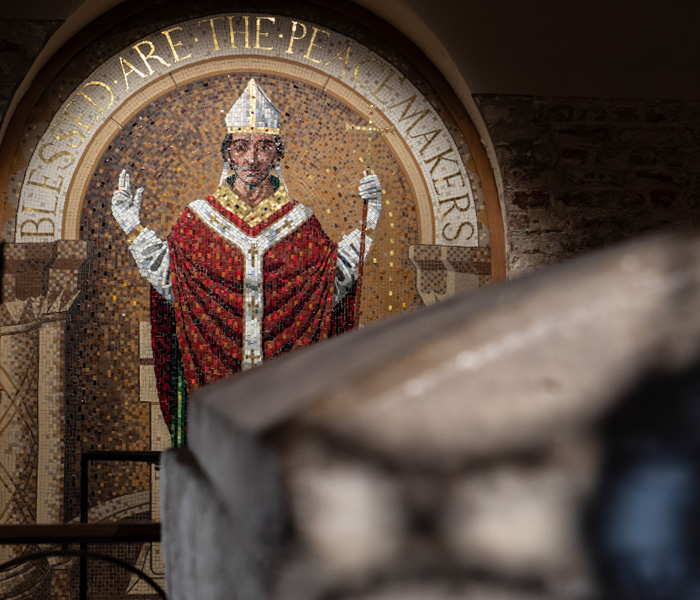
1330
Place of Pilgrimage
Following his death, St William’s tomb and remains were honoured with at least four known structures or shrines dedicated to him. Over the centuries, St William’s resting place became one of the most significant sites for pilgrimage in the country.
In 1330, following an expansive rebuilding of the Nave in York Minster and in recognition of the large number of pilgrims who journeyed to visit him, his shrine was remodelled into a substantial two-storey stone structure erected over the site of the original tomb. The intricate carvings seen on this shrine, with depictions of pilgrims, stonemasons and accounts of his miracles, are testament to medieval devotion to St William, as were the gifts left around the shrine by those who had invoked his help.
A Path of Pilgrimage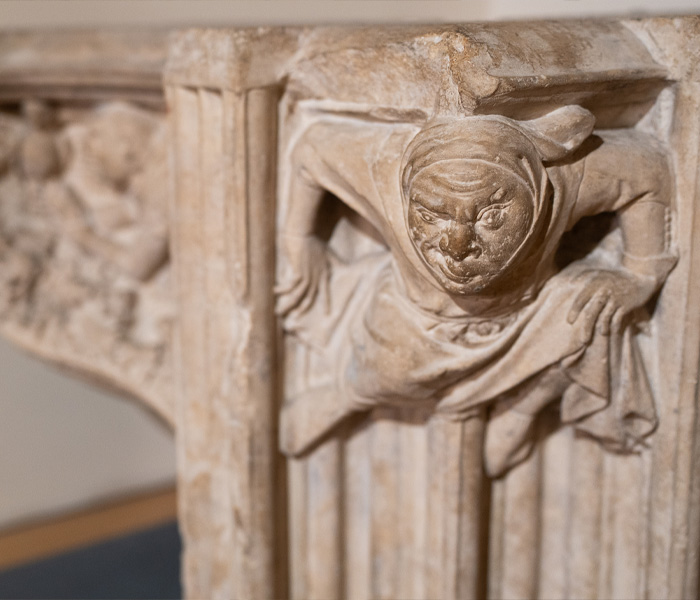
1541
Destruction and Discovery
Of all the impacts of Henry VIII’s break with the Catholic Church and the subsequent religious revolution that swept across Europe, one of the most significant in York Minster was the loss of St William’s shrines.
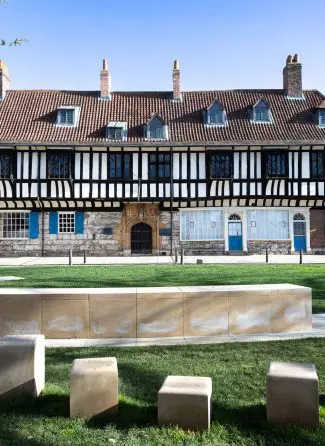
In 1541 the Privy Council ordered the demolition of all shrines within the province. Our current theory is that William’s shrine was dismantled and buried around the city including in nearby Precentor’s Court to protect the shrine from being found and destroyed by the King’s forces.
Fragments of St William’s shrine were not uncovered until the 18th century, and much of it still remains buried beneath the city.
Recreating William's Shrine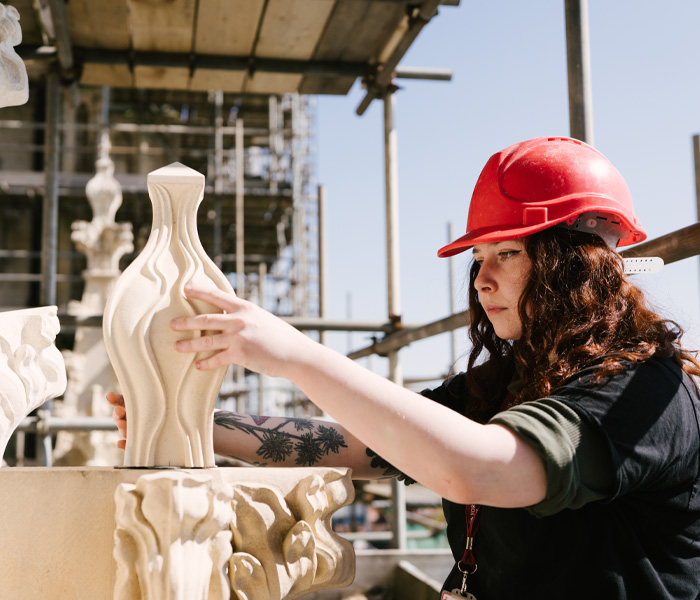
2026
Crafting a Legacy
The legacy of St William can be seen today, not only in the many thousands of people who have travelled to this holy site over the centuries, but also in the incredible artistry he inspired seen today in exquisite stained glass and hand-crafted stone.
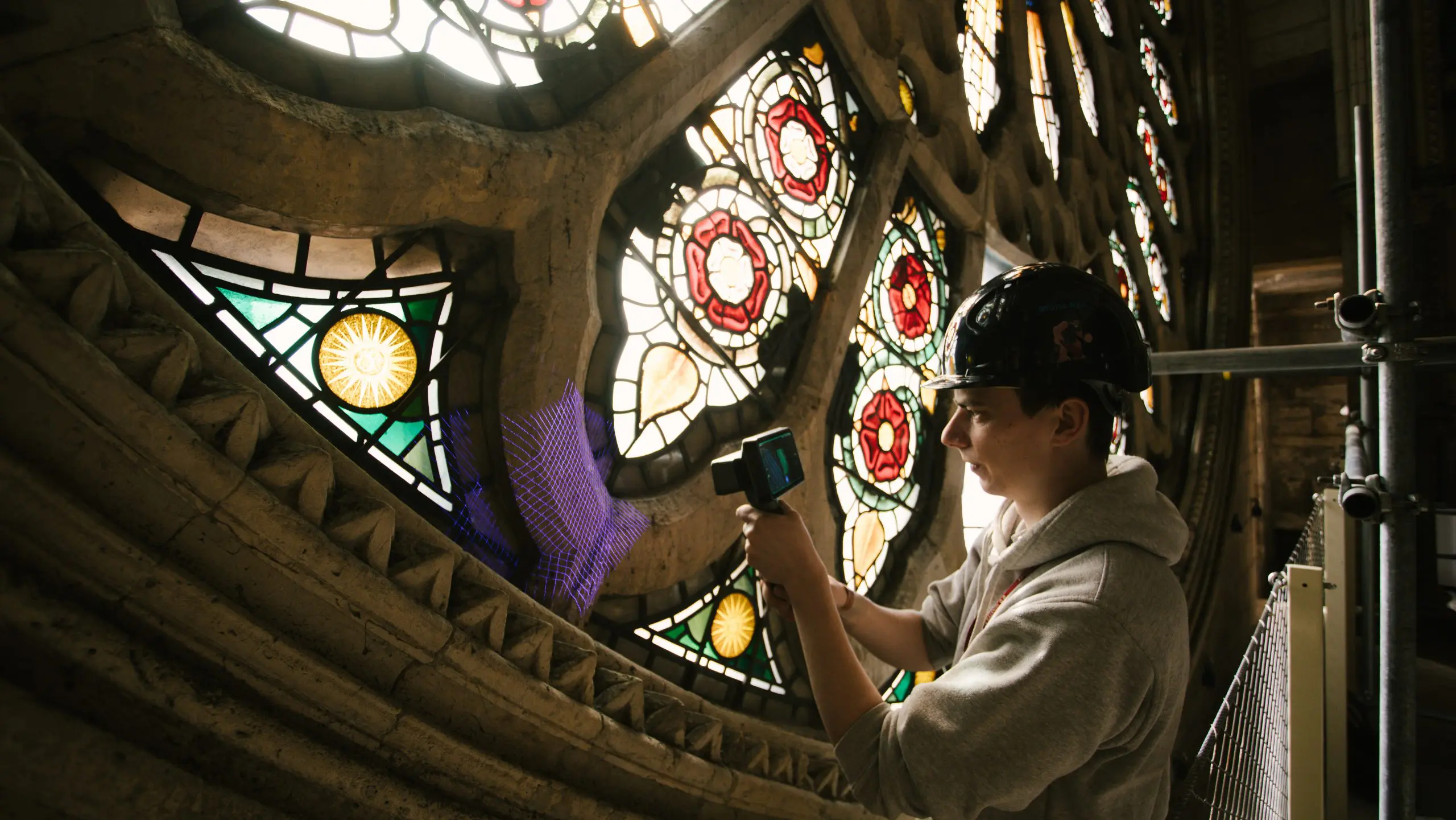
In 2026, 800 years since his canonisation, we continue to honour St William’s life and legacy through a commitment to preserving this beautiful building for many generations to come. Our teams of expert craftspeople are harnessing the very latest in new technologies combined with the medieval techniques familiar to St William himself, to ensure that William’s vision of a cathedral open, welcoming and awe-inspiring is safeguarded well into the future.
Current ConservationStay up to date with York Minster
- Event alerts
- Seasonal services
- Behind the scenes features
- Latest Minster-inspired gifts